
 latiyal
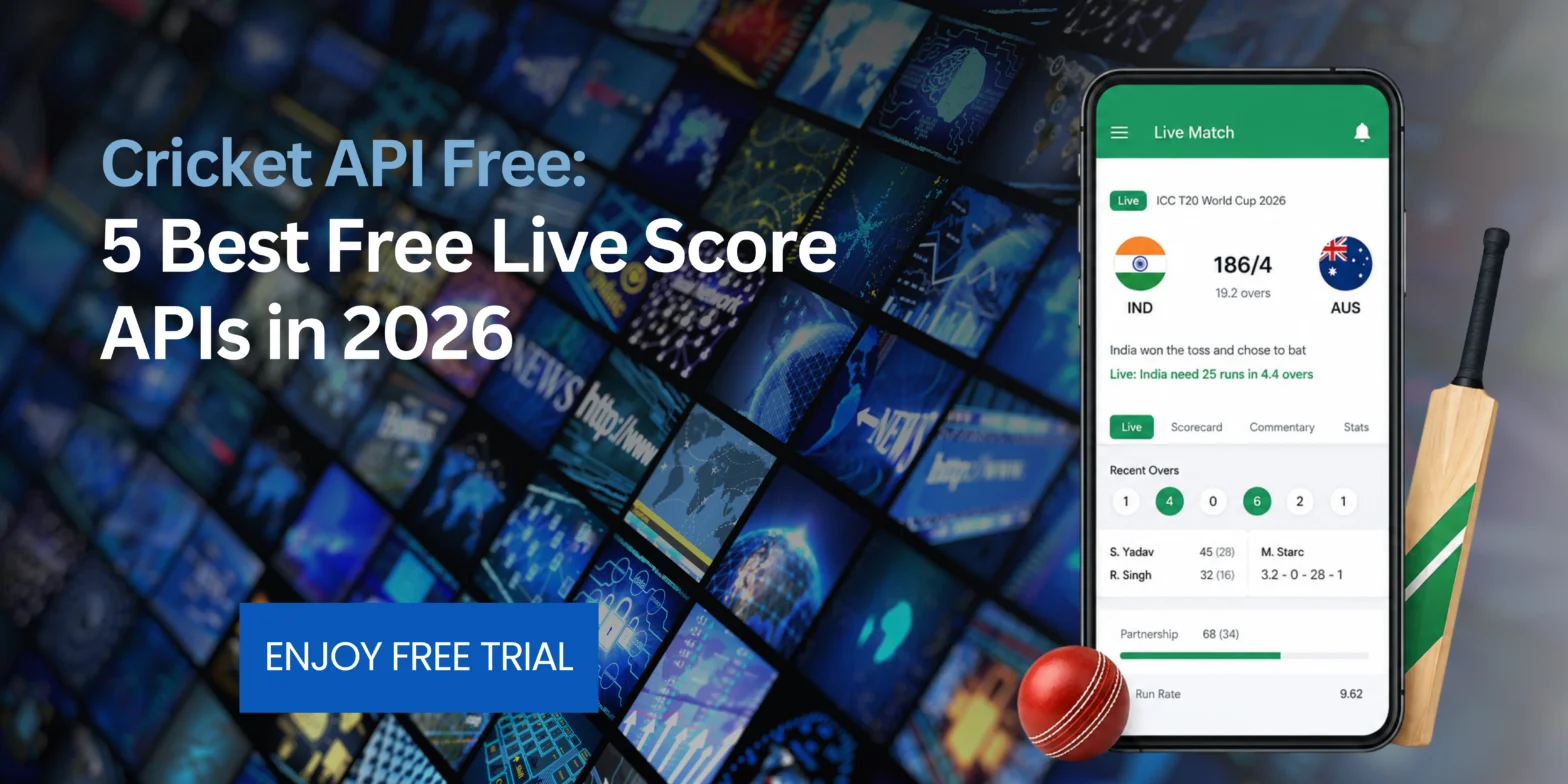
The digital cricket landscape will continue to evolve at an unprecedented rate throughout 2026, with the requirement of real-time data for each sport-related platform being one of the most crucial elements of the digital cricket industry and what cricket fans now demand by way of live information – instantaneous updates, detailed commentary and correct statistics delivered without delay.
Modern consumers of the cricket game expect to receive current updates (i.e., quick refreshes) and the complete data set of every match within each game (i.e., a complete data set in total for every game). They want to see what is actually happening on the field in a digital format as close to watching on the field in real-time as possible. This reality is only possible if the data engine being used is accurate, fast and consistently structured while operating on a digitally-based real-time platform.
Growing Importance of Ball-Level Cricket Updates
The need for ball-by-ball cricket feeds is on the rise. Many fans now follow a cricket match, then go back to work, travel or browse social networks; this means they follow every run/wicket/milestone as it happens rather than just checking in sporadically to see how many runs have been made/wickets taken/milestones achieved.
Cricketers use professional cricket data APIs to get instant updates on every delivery and all contextual match data. For sports platforms, this increased engagement ensures players will remain on the platform longer with continuous updates (live commentary, automatic score changes), thus improving ad revenue, subscription revenue and loyalty to that brand.
Essential Capabilities of a Professional Cricket Live API
Real-Time Delivery Synchronisation
Throughout the match, players complete balls of play, and cricket APIs process match events immediately following the completion of each ball and send that event to all applications (APIs) that connect to that API. As a result, all of the events related to scoreboards, partnerships, player statistics and over summaries all match precisely with the live match. Because live sports are created with the fastest APIs, users of the fastest API will have developed their confidence in the data provided, as they rarely see delayed or inconsistent data.
Comprehensive Tournament Coverage
Coverage of all major international competitions is an important component of a reliable cricket API solution. Cricket API providers have a steady stream of match feeds from national teams, the major T20 league, regional domestic tournaments and emerging cricket leagues around the world. By having access to continuous feeds of actual events during the course of the year (vs. just during headline events), sports applications stay "live” during the entire year.
Structured Commentary and Match Context
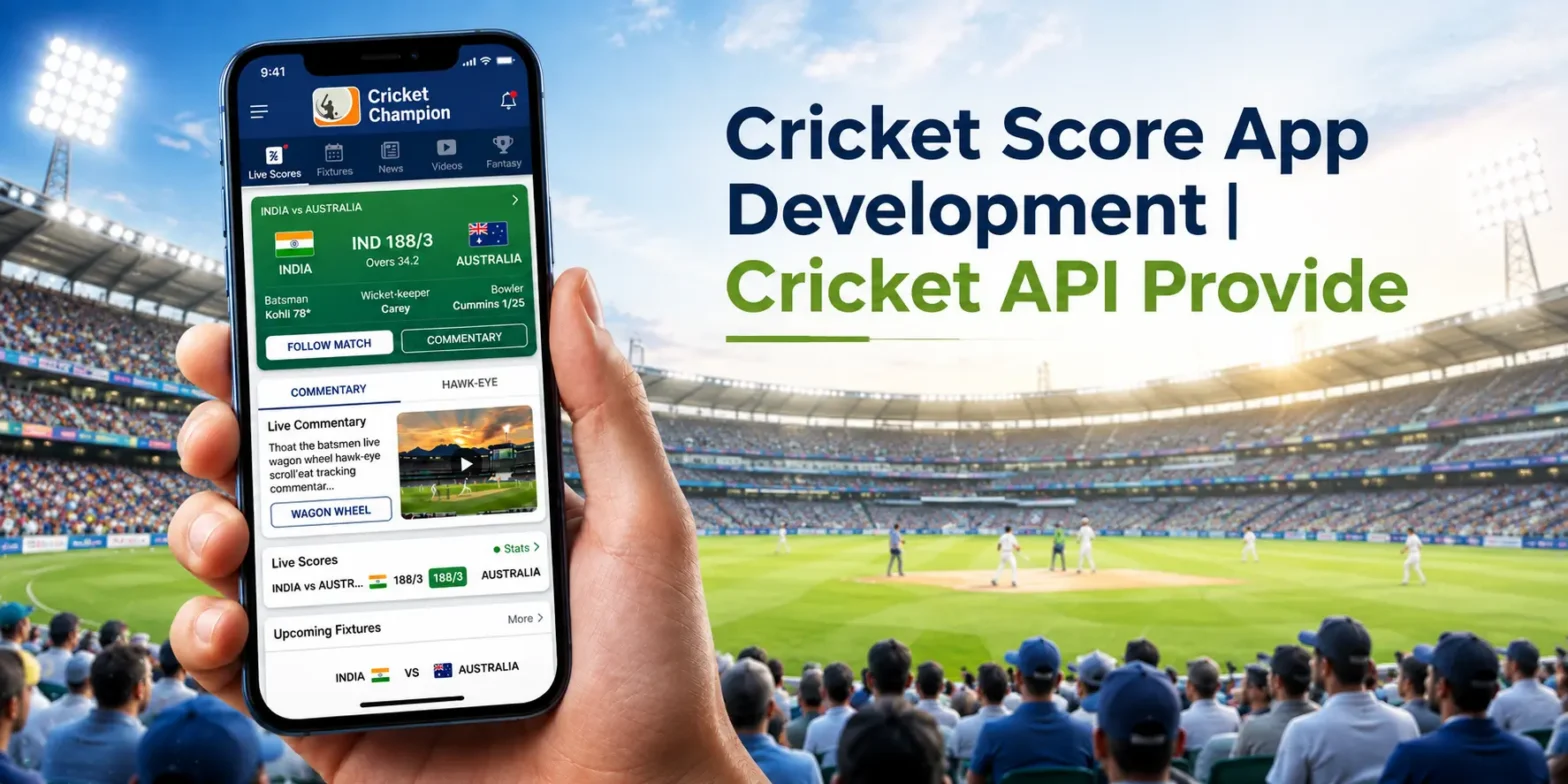
In addition to just having raw scoring information, many of the more technologically advanced cricket API providers also provide structured textual commentary for describing live and competitive play on the field. As users follow a live scoreboard, their experience is enriched by being able to visually see how a player scored a wicket, what type of shot they used to score a run, and how a bowler is controlling their over through the use of commentary.
Beneficial Points of Cricket Applications & Digital Sports Businesses
By supplying the development team with a high-quality ball-by-ball API, now there is no long process of creating the scoring system, validation logic, and manual updates to processes through their applications. Instead, the developer can build an application without having to create their own data stream and provide Professional Match information within the application as soon as they integrate the API into their application. This speeds up product launches, allowing more effort on the design, marketing and user experience of the application.
Providing an established data infrastructure also helps stabilise your application for high-volume tournaments (i.e., a major final or a well-viewed rival match) for high-traffic tournaments that experience sudden spikes in traffic. When a data provider has established scalable servers and optimised distribution systems in place, the data provider's application will have the capability to support continued performance during peak demand timeframes.

Analysing cricket data at a granular level
Ball-level data for cricket analysts and coaching and performance teams provide much more than live scoring. They offer a comprehensive look into how players play the game. Analysts can look at patterns of batting and consistency in bowling; they can track score changes due to momentum changes; and they can see how teams perform from a strategic standpoint based on where they are in the game (e.g., powerplay, middle golf course, finish).
Many advanced sports platforms will be using historical ball-by-ball data from previous matches within four years to develop predictive statistics. By entering all ball-by-ball statistics for previous matches, analysts use machine learning to compute the probability of a team winning, calculate the likelihood of scoring points in vision leagues, or evaluate the potential results of strategic decisions made by coaches. These and other predictive capabilities only occur when the underlying ball-by-ball feed is a) detailed and b) archived historically.
An API designed to be simple for developers
Cricket API has been designed with both ease of integration for developers and a structured way that is quick to develop, secure/authenticated to use, and well documented for all endpoints to make integrating with these platforms relatively simple in a short time frame. Many providers also have web hooks or push-based systems available so applications will receive updates automatically versus having to continually request data.
As the platform(s) grow, automation becomes especially important. Increasingly more users to be serviced requires optimally designed API architecture so that as the load on the server increases, there is no impact on the speed of data updates to the applications. Therefore, businesses can confidently expand their user base without the need to continually redesign their data infrastructure.
Final Thoughts
The rapidly growing worldwide digital audience for cricket over the next five years means that there is a growing need for a high-quality, reliable Ball by Ball Cricket Live Data API. Accurate, instantaneous, and structured delivery-level data is the technical foundation on which successful applications and analytics tools for cricket and sports media rely. Organisations that adopt a reliable real-time data solution will experience better performance, stronger user engagement, and long-term technology reliability.
For developers, analysts and other businesses that want to provide customers with a true professional cricket experience, integrating a trusted ball-by-ball live data API has become a strategic requirement if you want to remain competitive within the ever-changing technology landscape of today’s sport.