
 latiyal
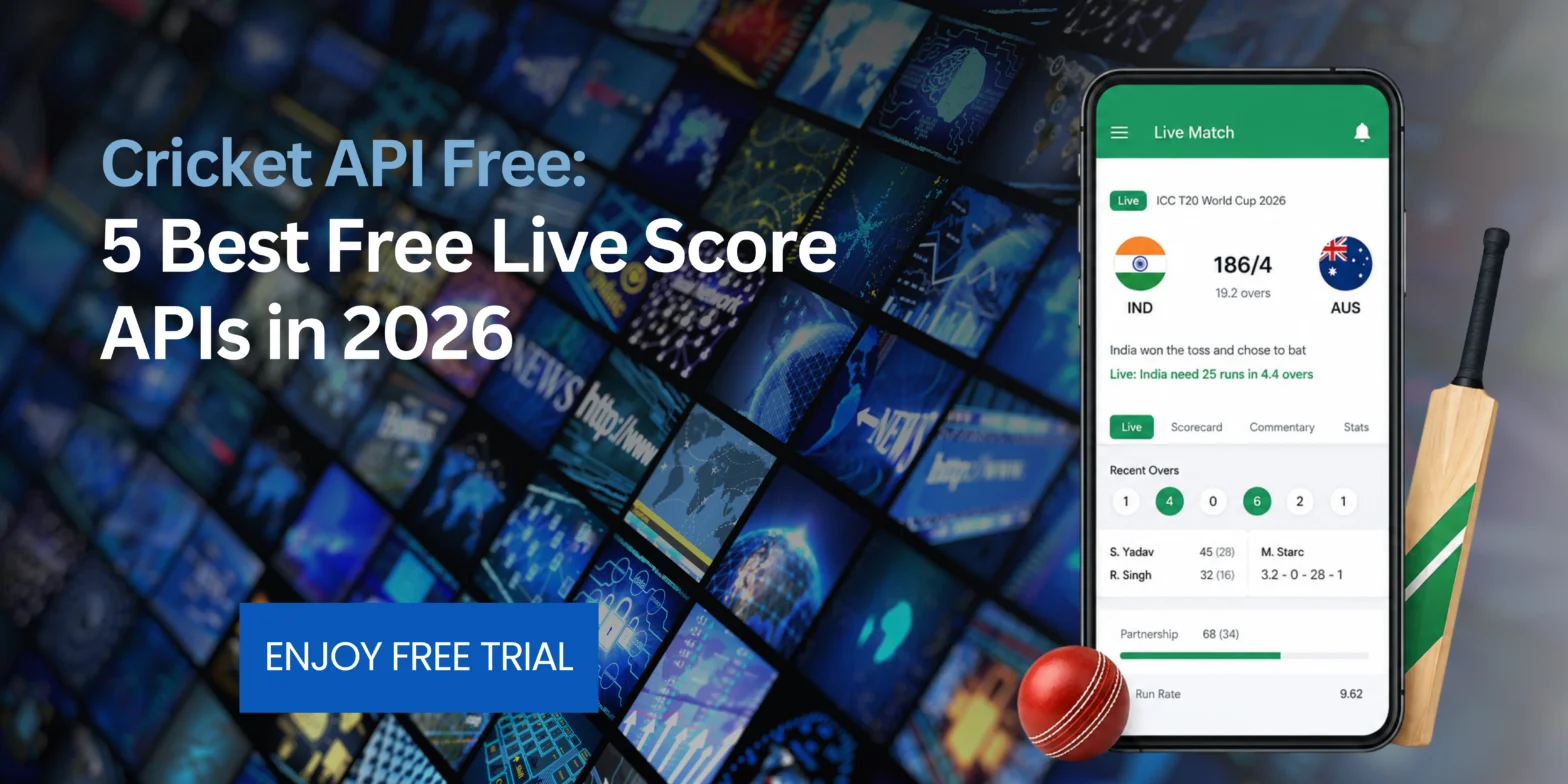
Today's digital world has a criterion for defining user experience by speed and accuracy. For many sports, especially cricket, an instantaneous change of momentum takes place on the field every time the ball is bowled. The audience expects to see instantaneous information rather than waiting for a delayed report of what has occurred on the pitch. As a result, a Real-Time Cricket Data API has evolved into a crucial piece of infrastructure that allows various platforms to display a real-time, continuous, and interactive match experience.
What is a Real-Time Cricket Data API?
A Real-Time Cricket Data API is a structured interface providing live data on cricket matches (for example, scores, wickets, overs, player statistics, etc.) as they happen. Unlike traditional APIs where the data is retrieved using periodic polling, real-time systems operate by pushing information to the application as it becomes available; therefore the real-time API implementations have proven to be extremely low latency and highly accurate.
Usually, real-time cricket data APIs provide a data payload in a structured format (e.g., JSON, XML) allowing easy integration into web, mobile, and enterprise applications.
Targeted Tools For Player Development
The current offering of cricket APIs provides developers with a full suite of tools to enhance user engagement by providing much more than historical results:
Ball-by-Ball Data Streams - Receive real-time updates on each delivery of the match
Complete Scorecards - Contains detailed statistics for each batter & bowler (ex: batting average, bowling average)
Live Commentaries - Commentary provides context for each event occurring within the match
Detailed Player Statistics - Strike rate, economy & efficiency will be calculated in real-time as games progress
Predicted Match Insights - Win probability & partnership stats
Using these features, developers will have the ability to produce richly interactive, information-rich applications.
Real-Time Data Delivery Architecture
The communication architecture forms the core of a real-time API. Through the use of technologies such as WebSockets, a persistent two-way connection can be maintained between a client and server that supports an uninterrupted flow of data between both parties. The use of this architecture eliminates the need for multiple HTTP requests, thereby helping to reduce latency.
Long polling and Server-Sent Events (SSE) are also alternative options that can be used; therefore, depending on the situation, you have multiple options for real-time delivery while still providing a real-time solution.
Reliability and integrity of data
For live sports data, accuracy of the data is of utmost importance. Cricket APIs provide data in real-time by aggregating data from the official scoring systems, on-field data collectors as well as different advanced tracking technologies. By validating against multiple data sources, the data is able to deliver accurate and reliable information.
Additionally, they include redundancy across their infrastructure and failover systems to provide an uninterrupted service to our users in the event of a failure or network interruption.
Governance, Security and Access Control
Due to high demand and the commercial value of sports data, a strong security framework around this data is critical for successful delivery. API providers rely on various authentication protocols including API keys and OAuth tokens to control access to their APIs.
API providers also have rate limiting and usage monitoring to ensure that all users receive a fair allocation of resources. Frequently, there are premium tiers that provide enhanced performance, greater request limits and access to enriched datasets.

Developing Strategic Opportunities in the Cricket Technology Ecosystem
The basis of many digital solutions leveraging real-time cricket data APIs are:
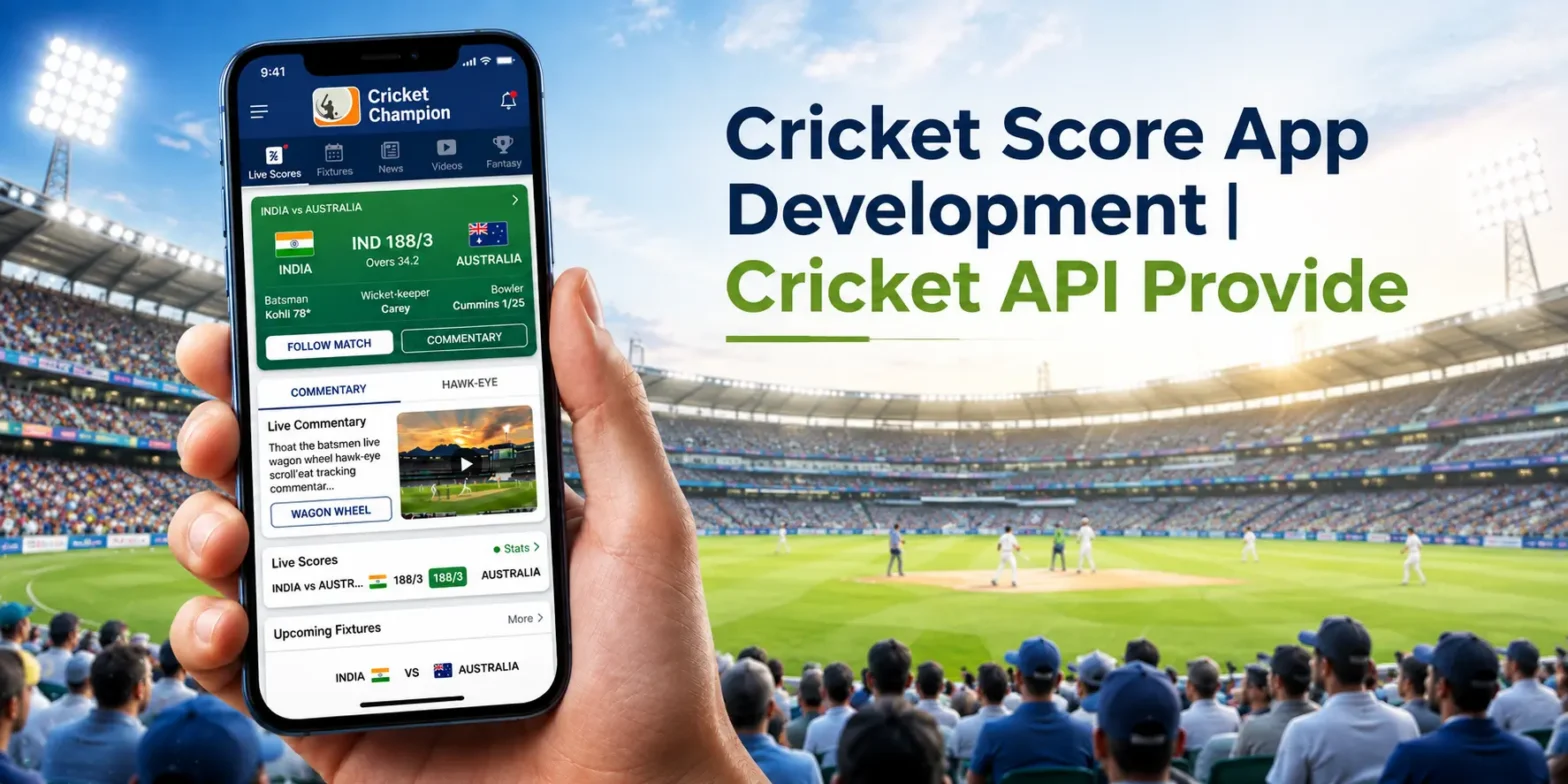
- Live score platforms to display immediate updates with rich visual content
-Vision sports systems for dynamic performance scoring and value calculation for players
- Broadcast and media platforms to deliver real-time commentary and insights regarding matches
- Analytical engines in support of performance analysis and enhanced decision making for strategies
- Betting and prediction platforms supporting real-time prediction models
All of these applications capitalize on the APIs’ ability to be a primary enabler for innovative applications within the sports technology industry.
Final Thoughts: The Future of Digital Cricket Experiences
Real-time Cricket Data APIs are not just delivery systems, but they have become the building blocks of a successful modern sports platform. By providing organizations with real time data that is reliable, scalable and provides an analytical depth; organizations can build engaging, reliable and performative applications.
Companies and developers wishing to stay ahead in the sports technology field must invest in solid real time data infrastructures to be able to maintain their competitive advantage within the ever changing digital world.